
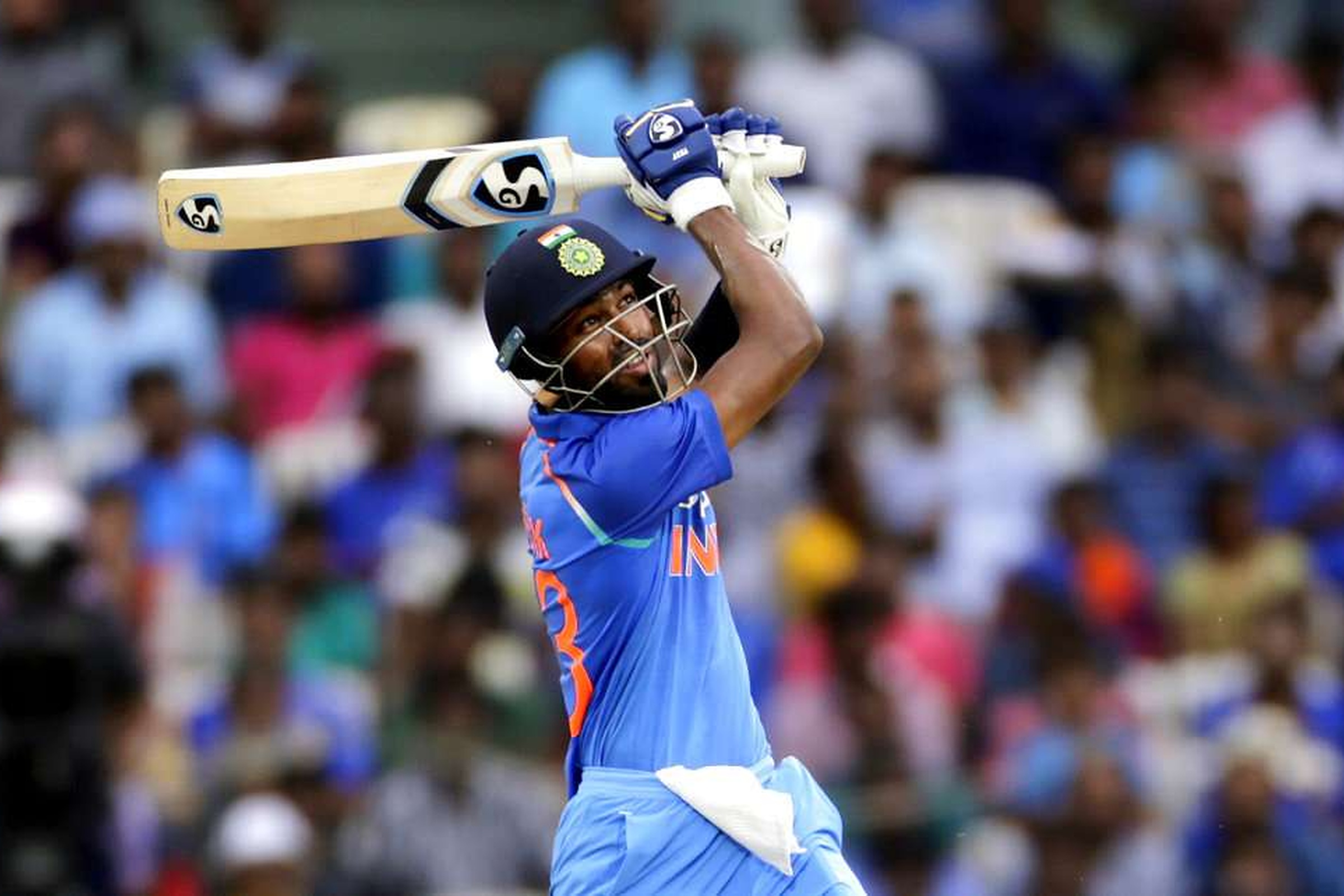
Rohit Sharma leads men’s international cricket in career sixes across Tests, ODIs and T20Is. In the October 2026 combined snapshot used here, he has 674 sixes, followed by Chris Gayle on 553 and Shahid Afridi on 476. The leaderboard covers official internationals and excludes franchise competitions such as the IPL and Big Bash.
Most sixes in men’s international cricket
| Rank | Batter | Sixes |
|---|---|---|
| 1 | Rohit Sharma | 674 |
| 2 | Chris Gayle | 553 |
| 3 | Shahid Afridi | 476 |
| 4 | Jos Buttler | 418 |
| 5 | Brendon McCullum | 398 |
| 6 | Martin Guptill | 383 |
| 7 | MS Dhoni | 359 |
| 8 | Sanath Jayasuriya | 352 |
| 9 | Eoin Morgan | 346 |
| 10 | Virat Kohli | 335 |
The figures use this October 2026 combined table. Guinness World Records independently identified Sharma as the leader at its earlier November 2025 cutoff. Use the snapshot date when quoting totals for players who are still active.
How the top three cleared the rope
Rohit Sharma can change the direction of an innings without changing his approach dramatically. If the bowler drops short, the pull opens a route over the leg side. If the bowler responds by pitching up, he can take the straight boundary. That range matters because a field set to protect one shot can expose the other. His place at the top of the order also gives him more opportunities to score across a full innings.
Chris Gayle often forced opponents to move boundary riders early. His reach gave him access to balls that other openers might leave or work for a single. Once a fielding captain moved a player out to cover a straight hit, space could open elsewhere. Gayle’s franchise totals are a separate record. The number in this table comes from his international career.
Shahid Afridi attacked with a different set of incentives. He could arrive after the innings had settled and immediately attempt the shot a set batter was waiting to play. That willingness made him dangerous in short bursts. It also explains why career sixes can tell a different story from runs or batting averages.
Buttler, McCullum and Guptill
Jos Buttler’s career illustrates how the same skill changes across batting positions. At the top, the infield is a target during field restrictions. Later in the innings, the gaps are smaller and a batter may have to move across the crease or hit against the bowler’s angle. Buttler’s ability to score behind square makes it harder to protect one side of the ground.
Brendon McCullum and Martin Guptill both gave New Zealand power up front. McCullum could move towards the ball to make a good length feel fuller. Guptill often found a route down the ground when the bowler overpitched. Their totals sit close together, but those numbers come from different innings, roles and match situations.
Four contrasting paths into the top ten
MS Dhoni regularly arrived with fielders already on the boundary. His task could shift from rebuilding to finishing within a few overs. A six in that position often reflects a decision to target one particular delivery after taking singles against the others.
Sanath Jayasuriya often attacked earlier. His position as a left-handed opener changed the angle for bowlers and gave him opportunities to clear an infield during restricted overs. Comparing him with Dhoni shows how very different roles can produce similar career totals.
Eoin Morgan used his left-handed angle in the middle order. A bowling side set up to defend one boundary could have to shift its plan when he took strike. Virat Kohli offers another contrast. A long career built around placement, strike rotation and innings construction can produce a large six count even when six-hitting is only one part of the batting method.
How to read the record across eras
A career six is counted the same way in this table regardless of format. Yet the opportunity to hit one differs. A Test batter can wait for the field to change. A T20I batter may need a boundary before the end of the over. Players from earlier eras also had fewer international T20 matches available, so their combined totals reflect a different schedule.
If you want to compare frequency, consider sixes per innings or per 100 balls alongside the career total. The first accounts for opportunities to bat. The second tells you more about tempo. Both can still be affected by role, opposition and format. An opener and a finisher are rarely attempting their shots under the same conditions.
The career table also differs from a list of the longest sixes. It counts boundaries, regardless of how far beyond the rope the ball travelled. A strike that just clears a fielder carries the same weight here as one that reaches the upper tier. Distance records require a separate method and more care around estimates.
Why another website may show a different total
Start with the cutoff date. An active ODI batter can add to a live table after an article’s monthly snapshot. Then check whether the source covers official internationals only, separates men’s and women’s cricket, or includes representative matches where relevant. A list that quietly includes domestic T20s will answer a different question.
Use the same filter for every player. A useful record citation identifies the competition level, formats and date together. That makes the figure interpretable even when the next tour changes the leaderboard. For a fan settling a quick debate, the headline answer is Rohit Sharma. For a reader comparing eras, the details behind the count are where the comparison gets interesting.
A quick example of how opportunity changes the comparison
Consider two batters with the same number of sixes in a season. If one needed twice as many innings, the other cleared the rope more often per visit to the crease. But if the first player usually opened and the second came in for the final overs, the balls they faced and the fields they saw would differ. Career totals are the right answer to a question about volume. Rates and match context help when the question is about frequency or role.
A useful way to watch the next international is to notice what happened on the ball before a six. The batter may have drawn the bowler into a different length or moved the field with a previous boundary. The record counts the outcome. The sequence helps explain how the player created it.
Read next: India vs New Zealand 2026: Series Updates, Results and Key Takeaways.
2 thoughts on “Most Sixes in International Cricket: Top 10 Hitters of All Time”